August 12, 2026
Stone Crab Season in Miami: When It Starts, What It Costs, and Where to Go
Stone crab is the rare Miami delicacy that is genuinely, unfakeably local. It is not a trend, it is not an import, and it cannot be had year-round no matter how much you are willing to pay for it. The claws come out of the Gulf and the Florida Straits between October and May, they are served cold and cracked with a mustard sauce that has not changed in a century, and for roughly six months a year they turn otherwise sensible people into diners who will happily wait two hours for a table at a restaurant that does not take reservations.
The 2026–27 season opens October 15, 2026 and closes May 1, 2027. That window is the whole story: it dictates when the claws are freshest, when they are most expensive, and why the restaurants that build their identity around them get so crowded so fast. If you have never ordered them before, the experience can feel opaque — the menus say "market price," the sizes have names rather than numbers, and nobody explains what you are actually buying.
This is the practical version. What the season is and why it exists, what the sizes mean and where the value sits, how the claws are harvested, and the specific Miami dining rooms and fish counters worth your money — including the markets where the same claws cost a fraction of what they do on a white tablecloth.
The Season: October 15 to May 1
Florida regulates stone crab harvest tightly, and the closed summer season exists to protect the crabs during their peak growth and molting period. Traps have to come out of the water in the days before May 1, and nothing legal is landed again until October 15. Anything sold as "fresh" in July was frozen in March.
That timing produces a predictable price curve. Opening week is the most expensive stretch of the year: demand is enormous, boats have not yet worked the traps hard, and everyone in the county wants claws on the first weekend. Prices typically ease through November and December, sit at their most reasonable in the middle of the season, and creep up again in April as supply thins and the season winds down. If you are flexible, January and February are the sweet spot — good supply, softer pricing, and shorter waits than the holiday rush.
One more piece of context worth knowing: stone crab yields swing hard year to year with weather. A hurricane season that scatters or destroys traps, or a run of heavy wind that keeps boats off the water, shows up on menus within a week. Prices in recent seasons have run at or near record highs, driven by both thin harvests and general food inflation.
Claw Sizes, Decoded
Stone crab claws are sold by size grade, not by count, and the names are consistent across markets and restaurants. From smallest to largest: medium, large, jumbo, and colossal. Roughly speaking, you get six to seven medium claws per pound, four to five large, about three jumbo, and only two colossal.
Last season, retail pricing at Miami-area markets ran from around $35 a pound for medium up to roughly $75 a pound for colossal, with large and jumbo filling the middle. Restaurant pricing is a different animal — you are generally paying two to three times retail for the same claws, plus the room, the cracking, and the sauce. Treat opening-week menu prices as the ceiling for the year.
Here is the part nobody tells you: the value sits at large and jumbo, not colossal. Colossal claws are a spectacle, and they photograph beautifully, but the meat is not meaningfully better and the price per ounce is punishing. Mediums are the smart budget order and often the sweeter meat, at the cost of more work per bite. If you are feeding a table and want the best ratio of meat to money, order large.
Portion math: a pound per person is generous as an appetizer and light as a full meal. Two people splitting two pounds of large claws with sides will eat well.
How They're Harvested
Stone crabs are one of the only fisheries in the world where the animal is not killed for the product. Trappers pull the crab, remove one claw — regulations set a minimum claw length of 2 7/8 inches — and return the crab live to the water, where it can regenerate the missing limb over subsequent molts. Taking both claws is prohibited.
It is a genuinely elegant system on paper, and it is the reason stone crab is often marketed as a sustainable choice. The honest caveat is that the science is more mixed than the marketing: studies have found meaningful mortality rates among declawed crabs, and survival depends heavily on how carefully the claw is removed and how quickly the crab goes back in the water. It is still a better story than most seafood you will eat this year — just not a perfect one.
The claws are cooked immediately on the boat or at the dock, then chilled. That is why stone crab is served cold: it has already been cooked once, and reheating it turns the meat rubbery. Anyone offering you hot stone crab is doing it wrong.
The Mustard Sauce Question
The classic accompaniment is a cold mustard sauce — mayonnaise, dry mustard, Worcestershire, a little cream, a squeeze of lemon — and it is essentially unchanged from the version Joe's has been serving since the 1910s. It exists because it cuts the sweetness of the meat without competing with it.
Drawn butter is the other option, and it is a real minority position: butter is designed for hot crab and does very little for cold claws. Order the mustard. If a kitchen makes its own and it is sharp rather than sweet, that is a good sign about everything else coming out of that kitchen.
Where to Eat Them: The Landmark Rooms
These are the rooms built around the season — the ones that stock the biggest claws, employ people whose entire job is cracking them, and get slammed from October onward. Expect a wait, expect market pricing, and expect it to be worth it at least once a year.
Joe's is the institution, full stop: a 1913 Miami Beach fixture that closes for part of the off-season and reopens with the crabs. The line is legendary and largely unavoidable, though the takeaway counter next door is the locals' workaround. The steakhouses on this list matter more than you would guess — several of Miami's best stone crab programs live inside rooms better known for beef, which is worth remembering when you read our guide to Miami's steakhouses.
Landmark stone crab rooms to try in Miami:
Joe’s Stone Crab 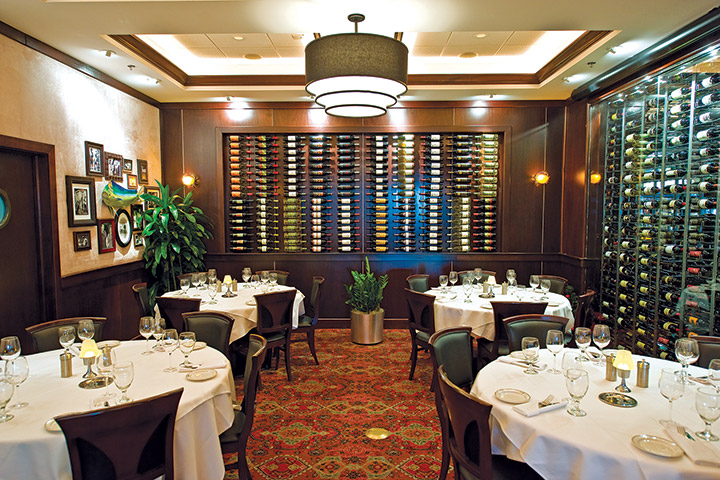 Truluck's Ocean's Finest Seafood and Crab
 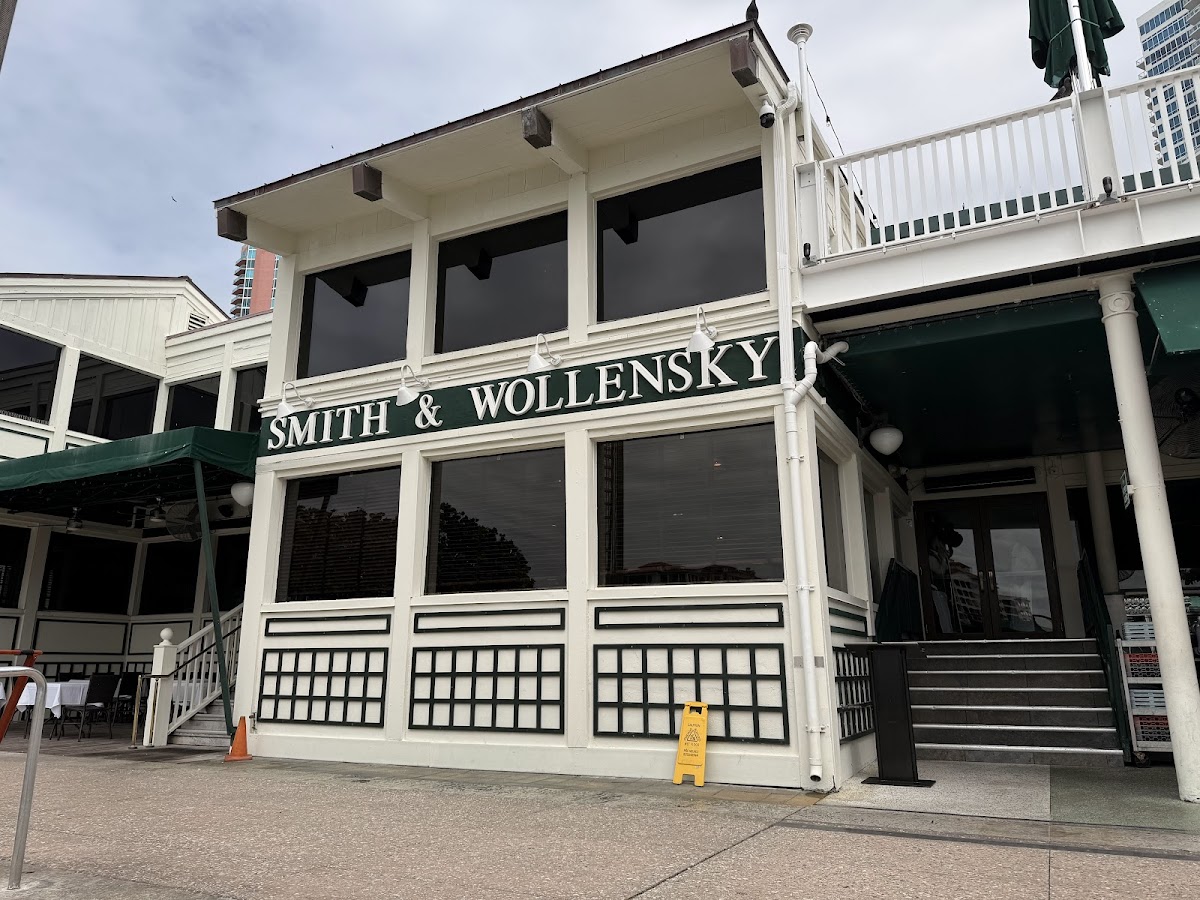 Smith & Wollensky
 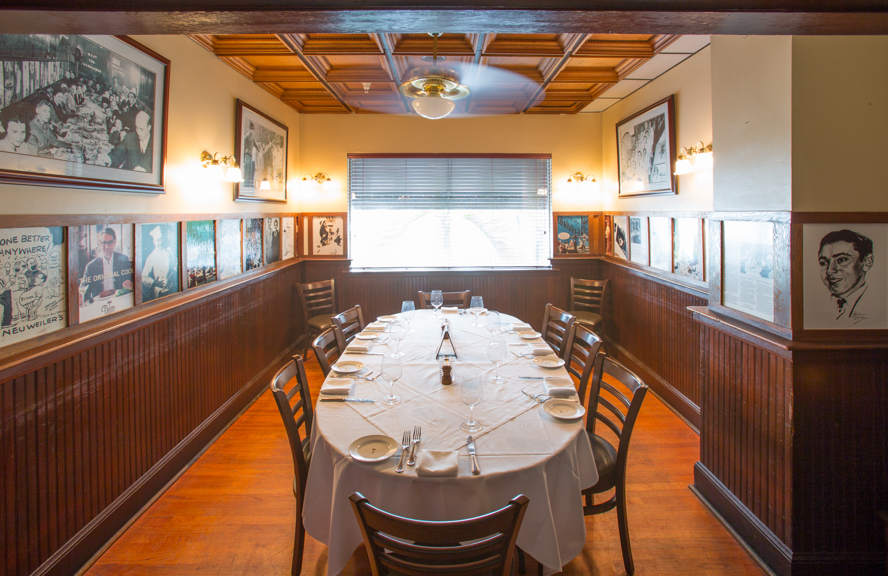 The Palm Miami
The Old-Guard Seafood Houses
The second tier is, for a lot of locals, the better tier: family-run seafood houses that have been doing this for decades without a publicist. Prices are gentler, the waits are shorter, and the crowd is Miami rather than visiting Miami. Several of these are on the Miami River or a canal, which is exactly the right setting for a plate of cold claws — the same instinct that drives our waterfront dining guide.
Garcia's has been on the river since the 1960s and runs its own fish market next door, which is the reason the seafood is as good as it is. Captain's Tavern in Pinecrest is a South Dade institution with a wine list that embarrasses restaurants three times its price. These are the rooms that quietly make the Top 100 Independents lists year after year.
Old-guard seafood houses to try in Miami:
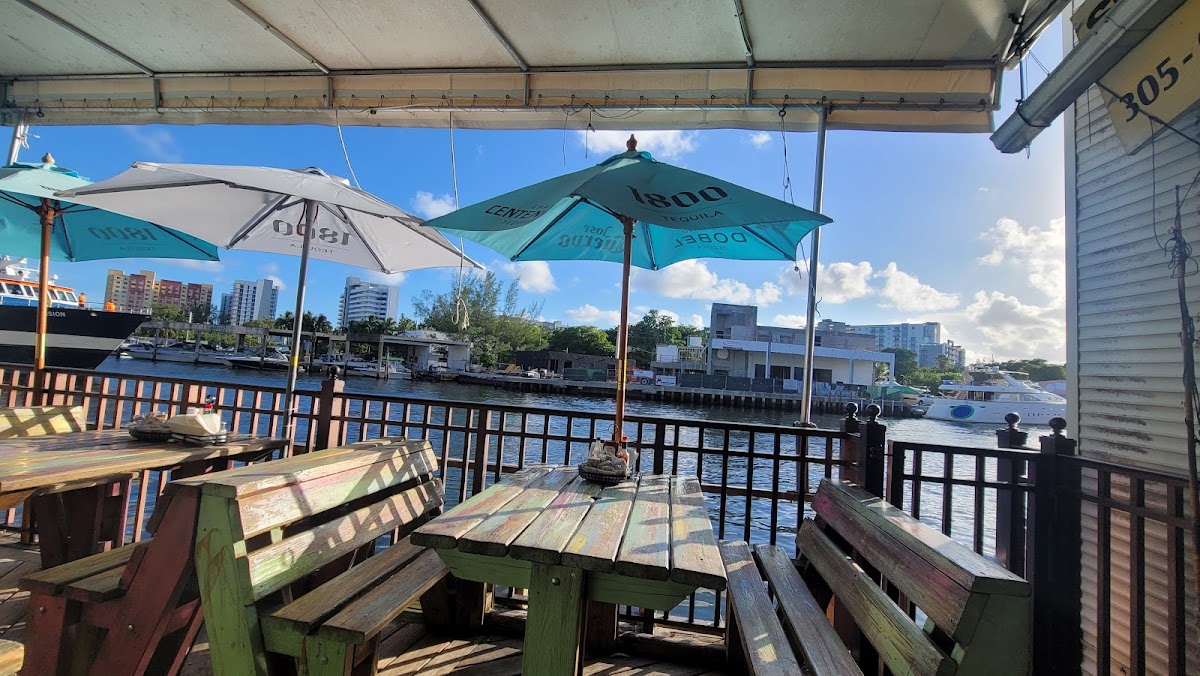 Garcia’s Seafood Grille & Fish Market
 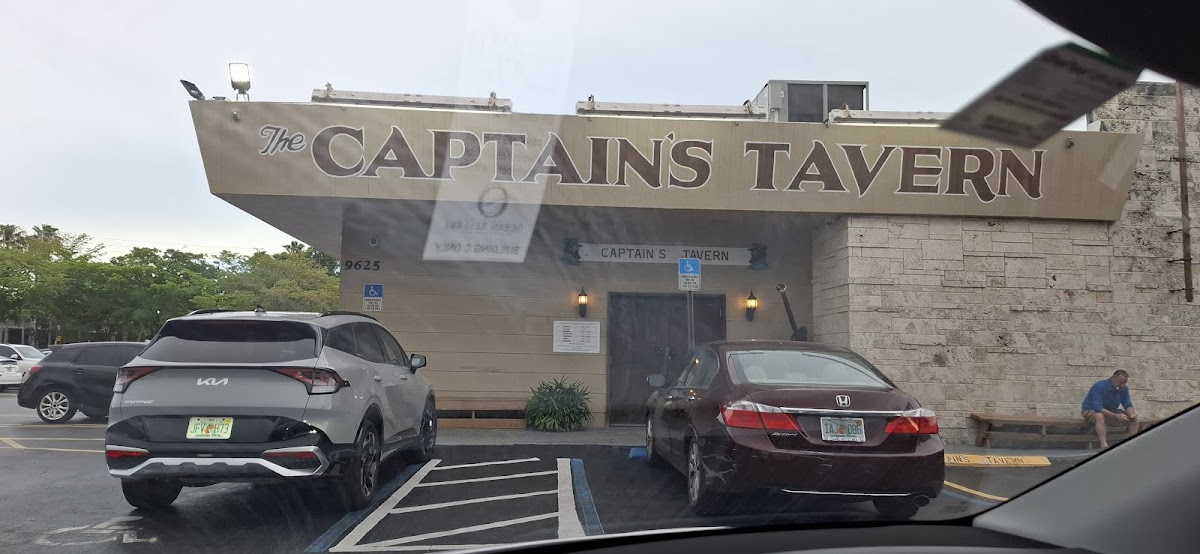 Captain's Tavern
 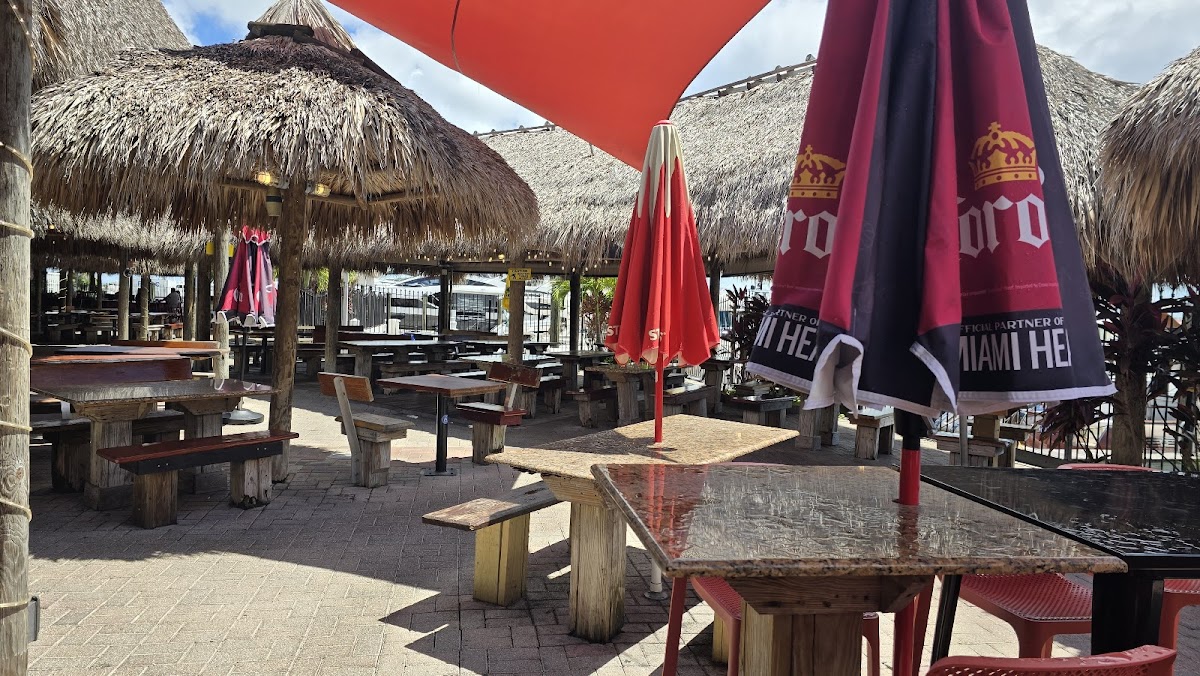 Monty's Raw Bar
 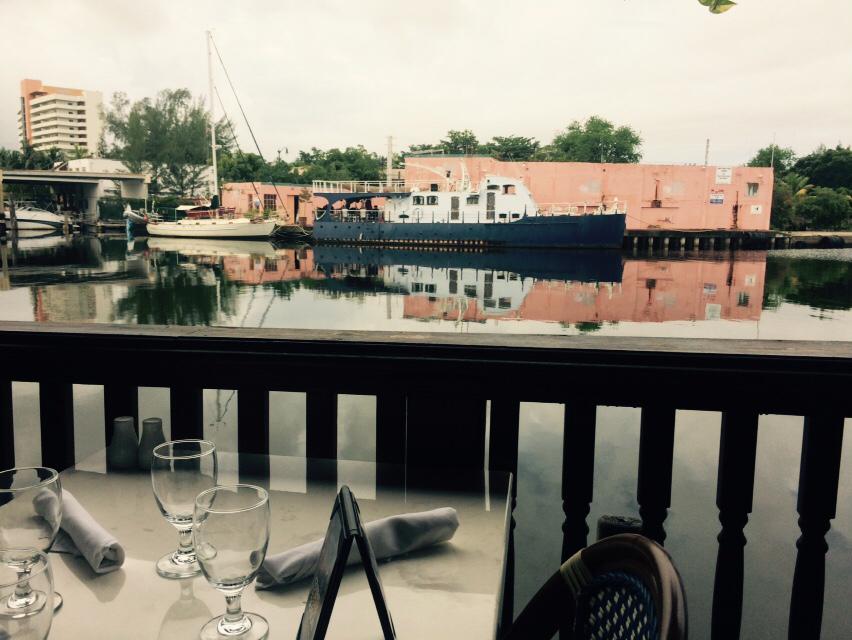 Casablanca Seafood Bar & Grill
Raw Bars and Water Views
If you want stone crab as part of a bigger seafood spread rather than the whole point of the evening, the raw bars are the move. Claws land naturally next to oysters, shrimp, and ceviche on a chilled tower, and these kitchens tend to be more interesting about the rest of the menu.
Raw bars and water views to try in Miami:
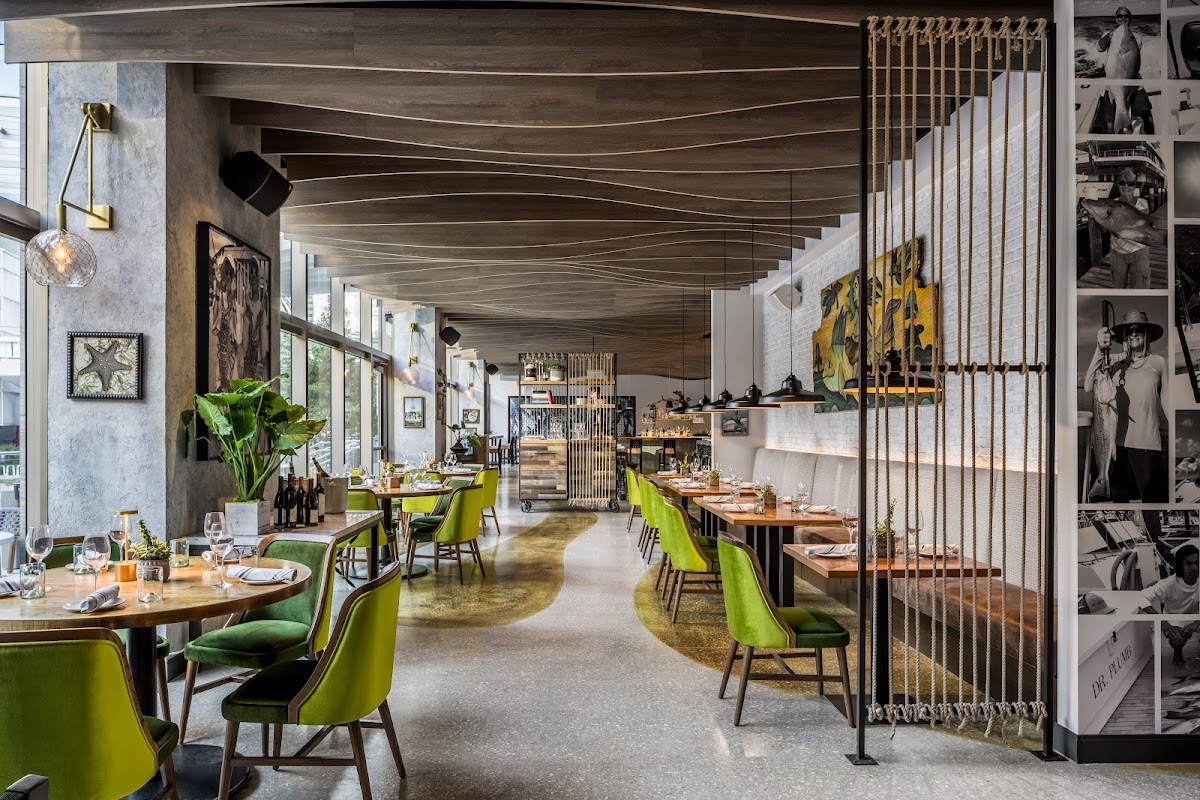 The River Oyster Bar
 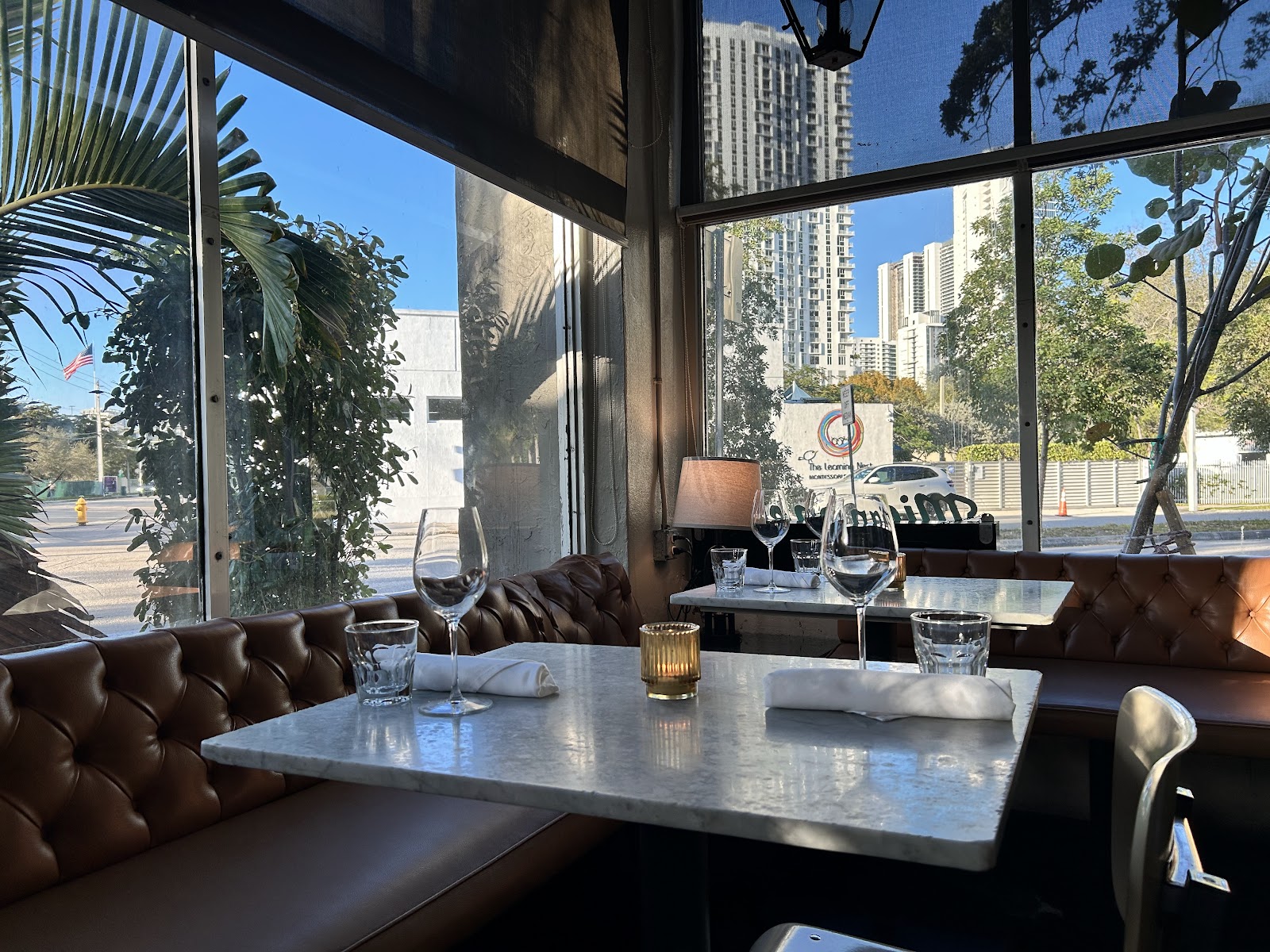 Mignonette Downtown
 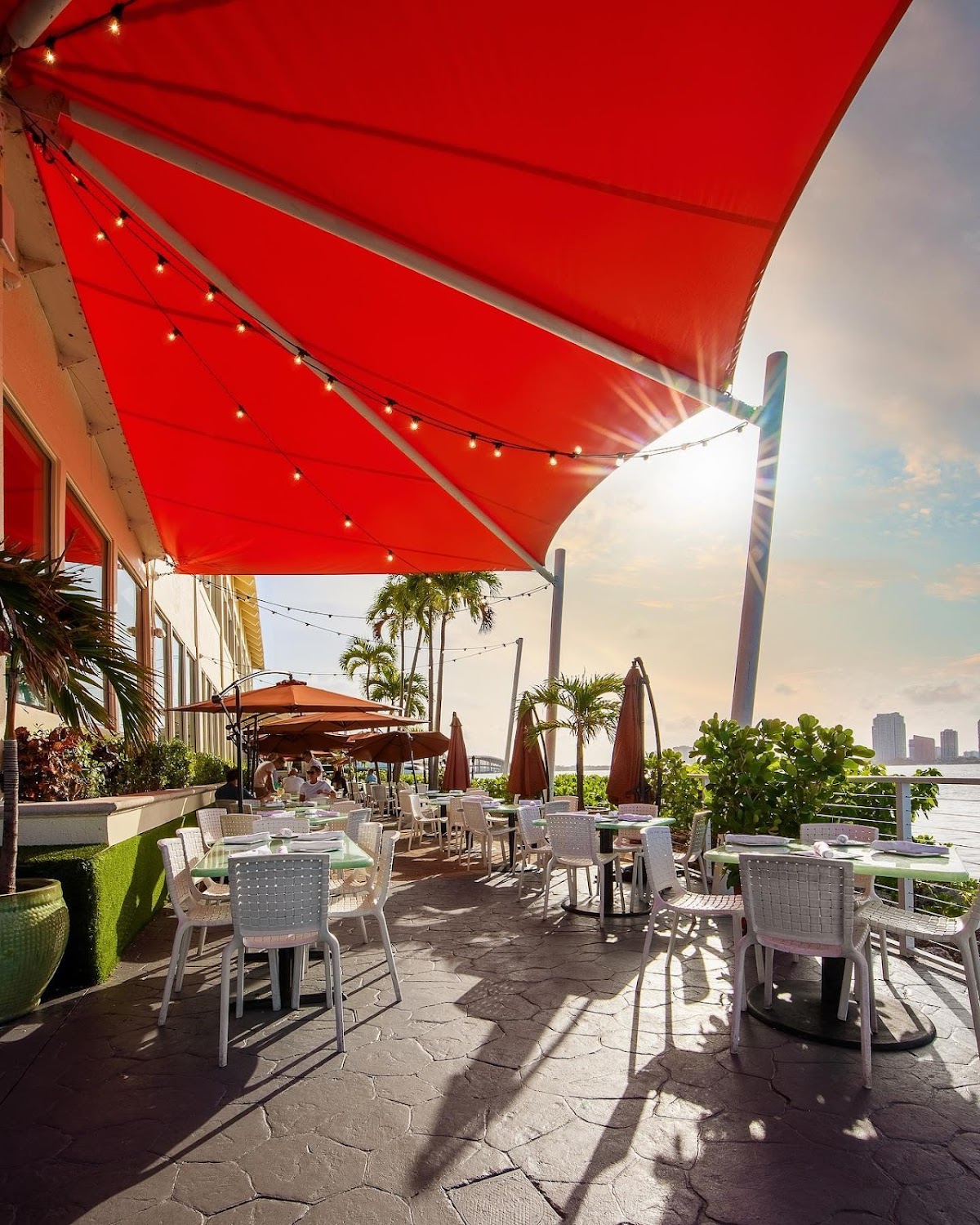 Rusty Pelican
Where to Buy Them: Fish Markets and Counters
Here is the single most useful thing in this guide: the claws at the fish market are the same claws that are on the restaurant menu, at a fraction of the price. They arrive already cooked and chilled. There is no preparation involved beyond cracking them, and any decent counter will crack them for you if you ask.
For the cost of one restaurant order of jumbos, you can buy two or three pounds of large claws, a jar of mustard sauce, and a loaf of bread, and eat considerably better at your own kitchen table. This is how most Miamians who actually eat stone crab regularly go about it — the same instinct behind our cheap eats guide, applied to a luxury product.
A few notes on buying well. Ask when the claws came in; good counters will tell you the day. Look for claws with intact shells and no cracks or leaking, and avoid anything sitting in melted ice water. Buy the day you plan to eat them, or the day before at the outside — cooked claws hold about two to three days refrigerated and lose sweetness fast after that. And ask the price by grade before you commit; the counter chalkboard is often out of date.
The spread below runs from Allapattah to Palmetto Bay to Hialeah, so there is very likely one within a reasonable drive. Several of them also cook and serve, which makes them a good stop if you want a plate of claws without the dining-room markup.
Fish markets and counters to try in Miami:
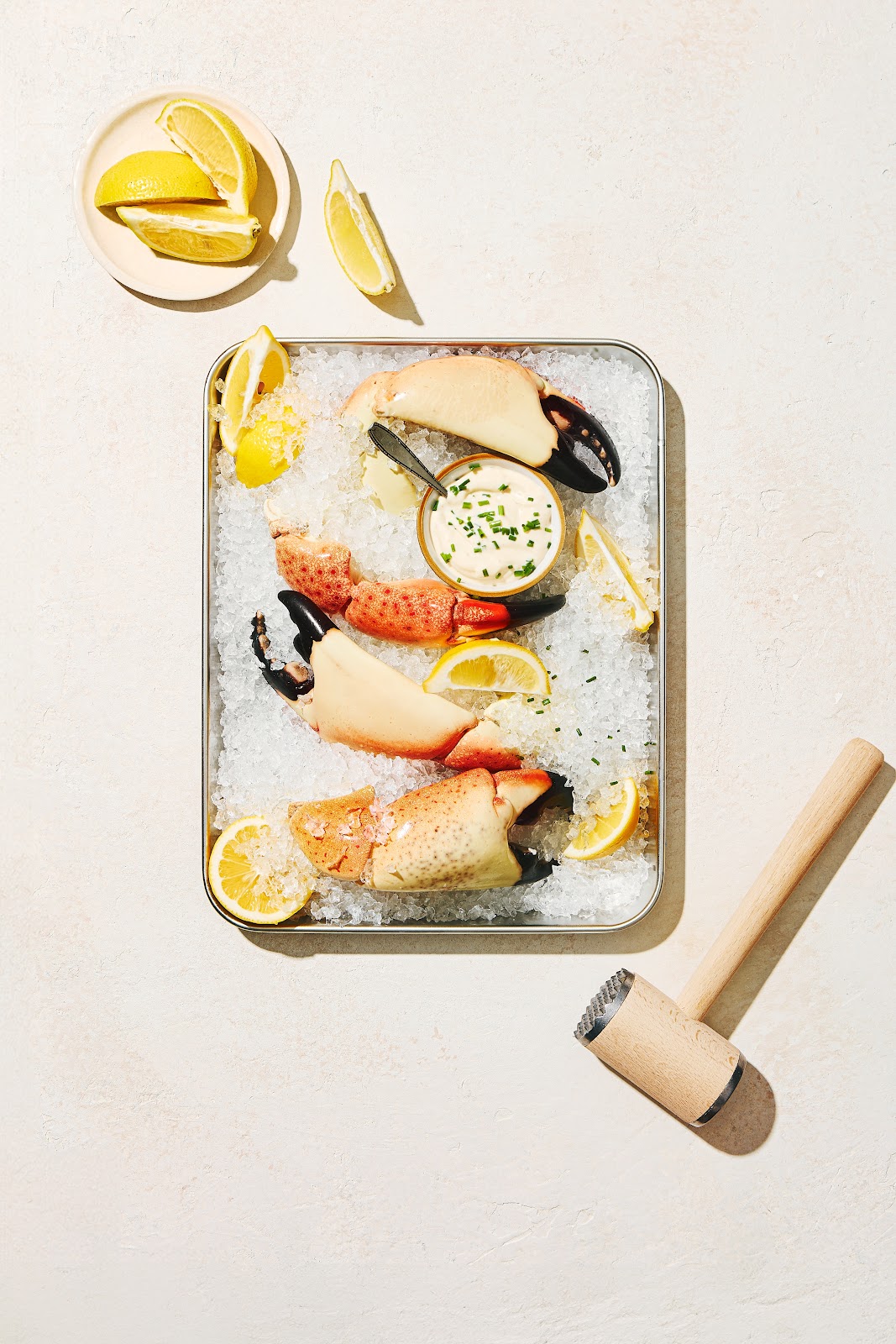 George Stone Crab
 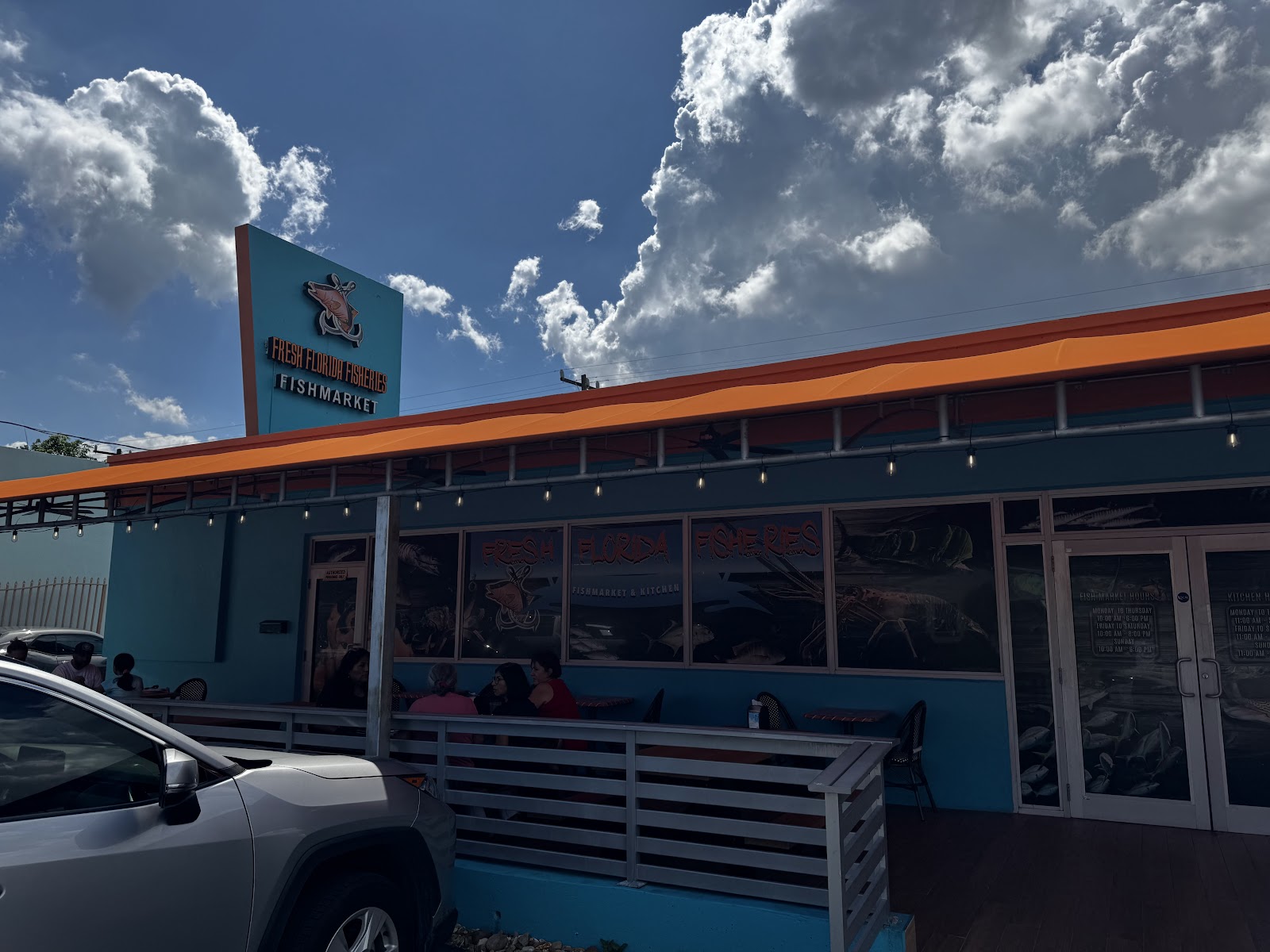 Fresh Florida Fisheries
 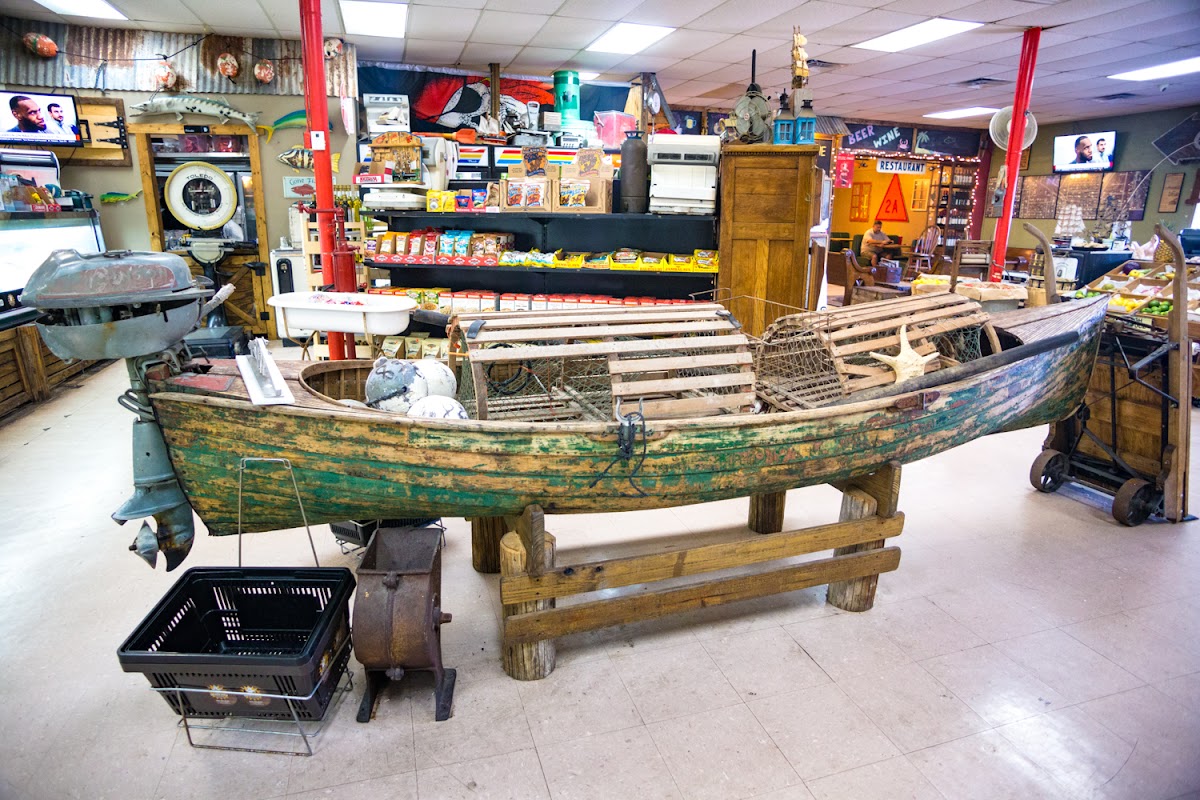 Golden Rule Seafood
 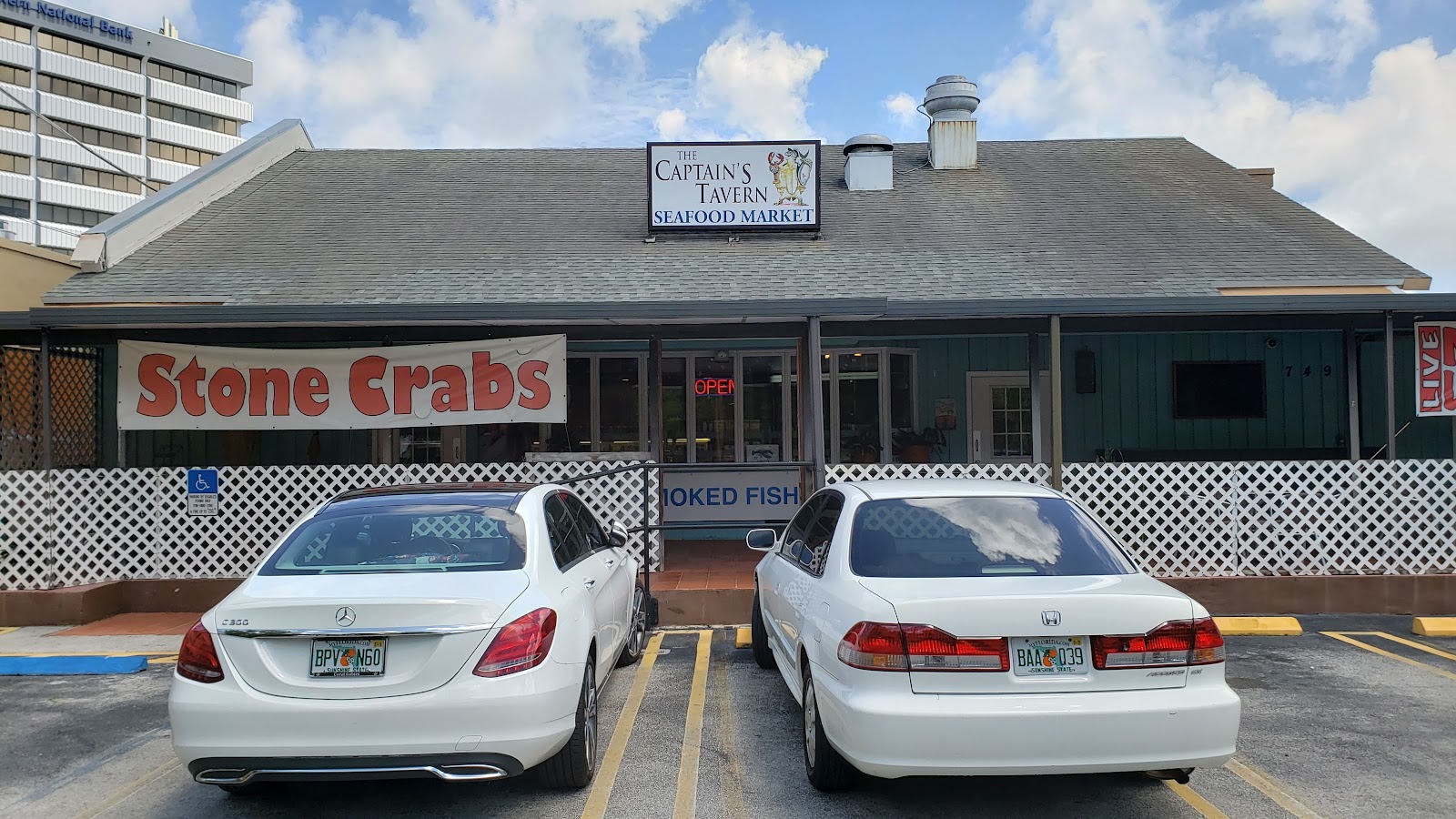 Captain's Tavern Seafood Market
 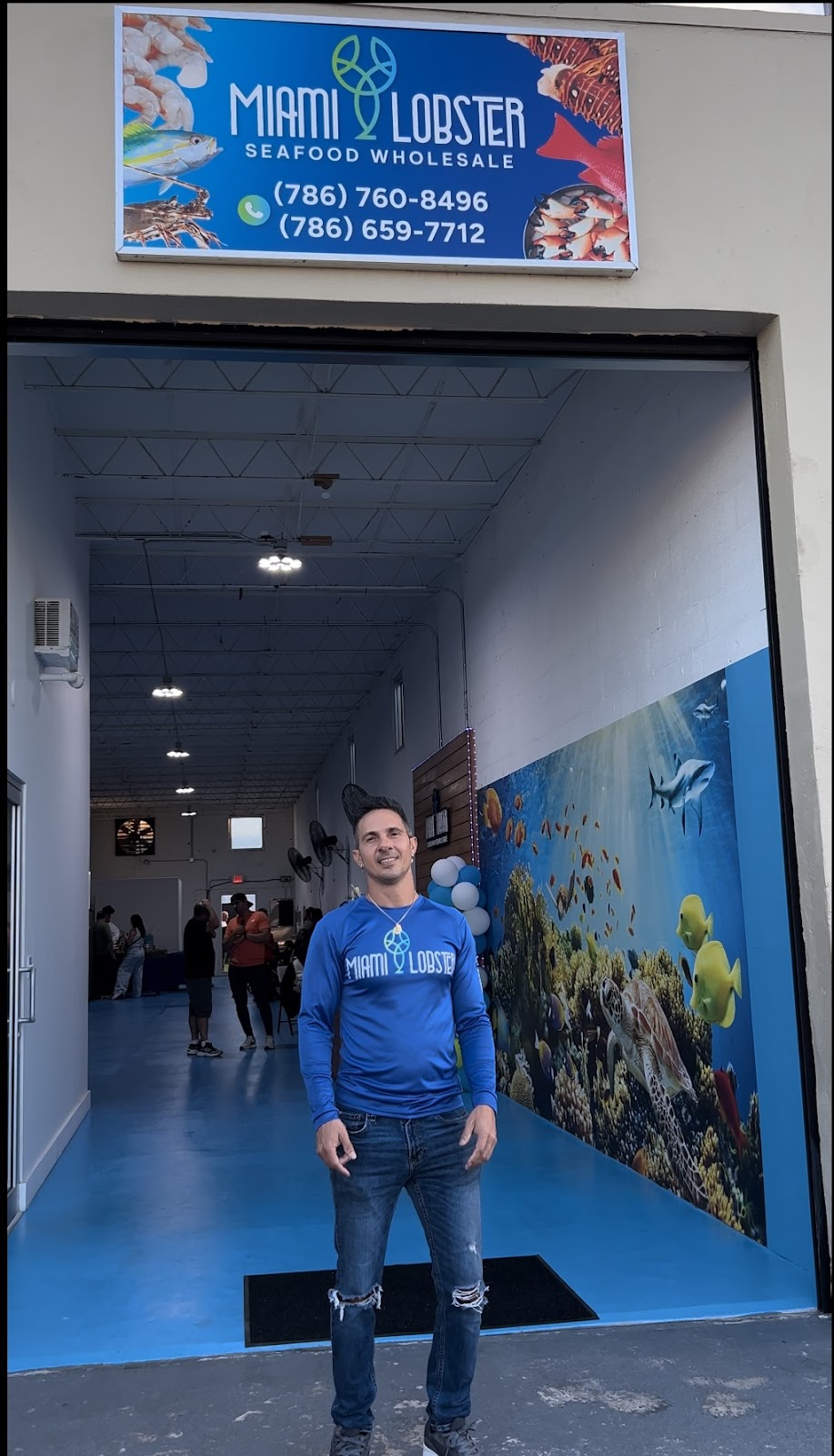 Miami Lobster
 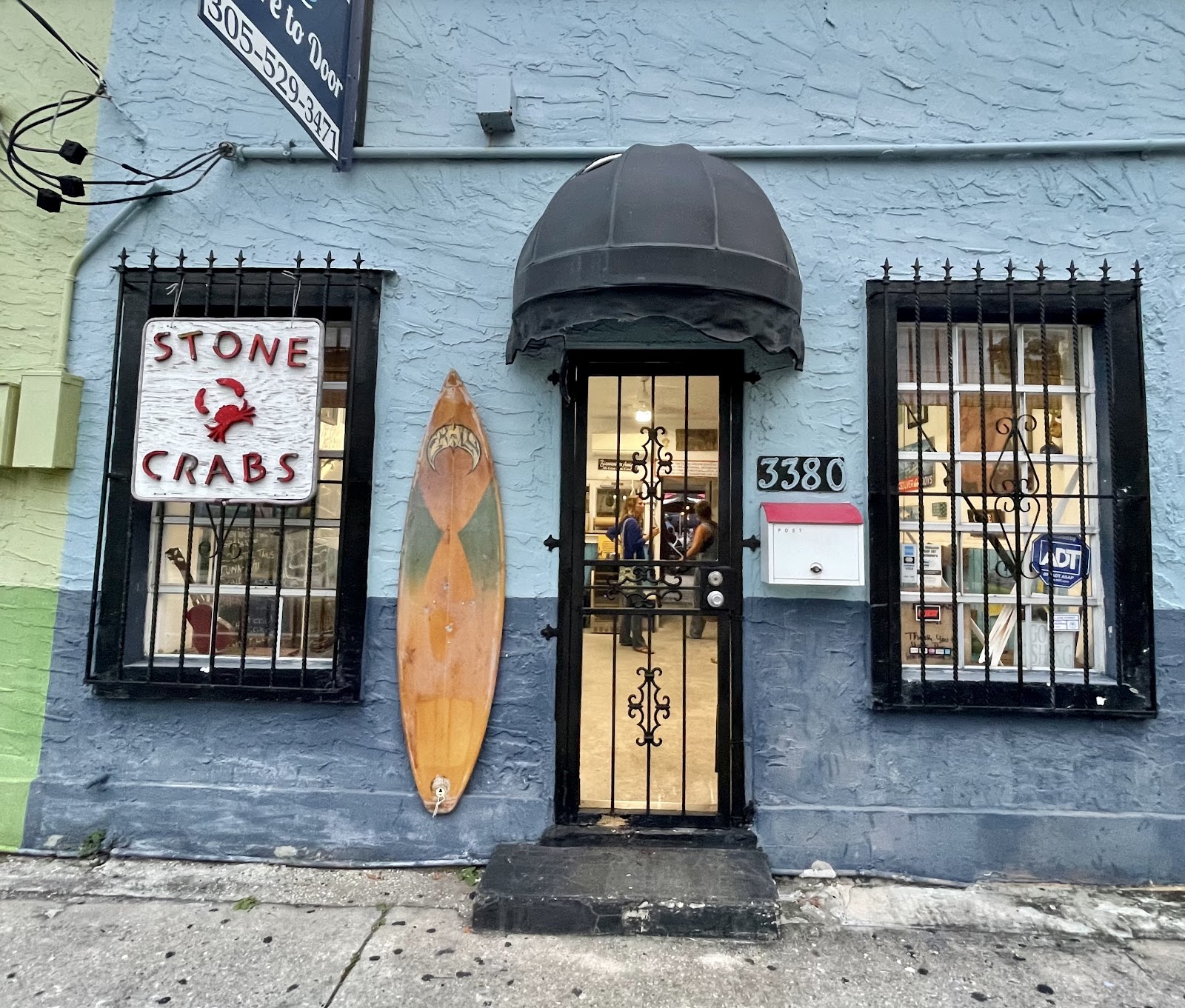 Shore to Door Fish Market
 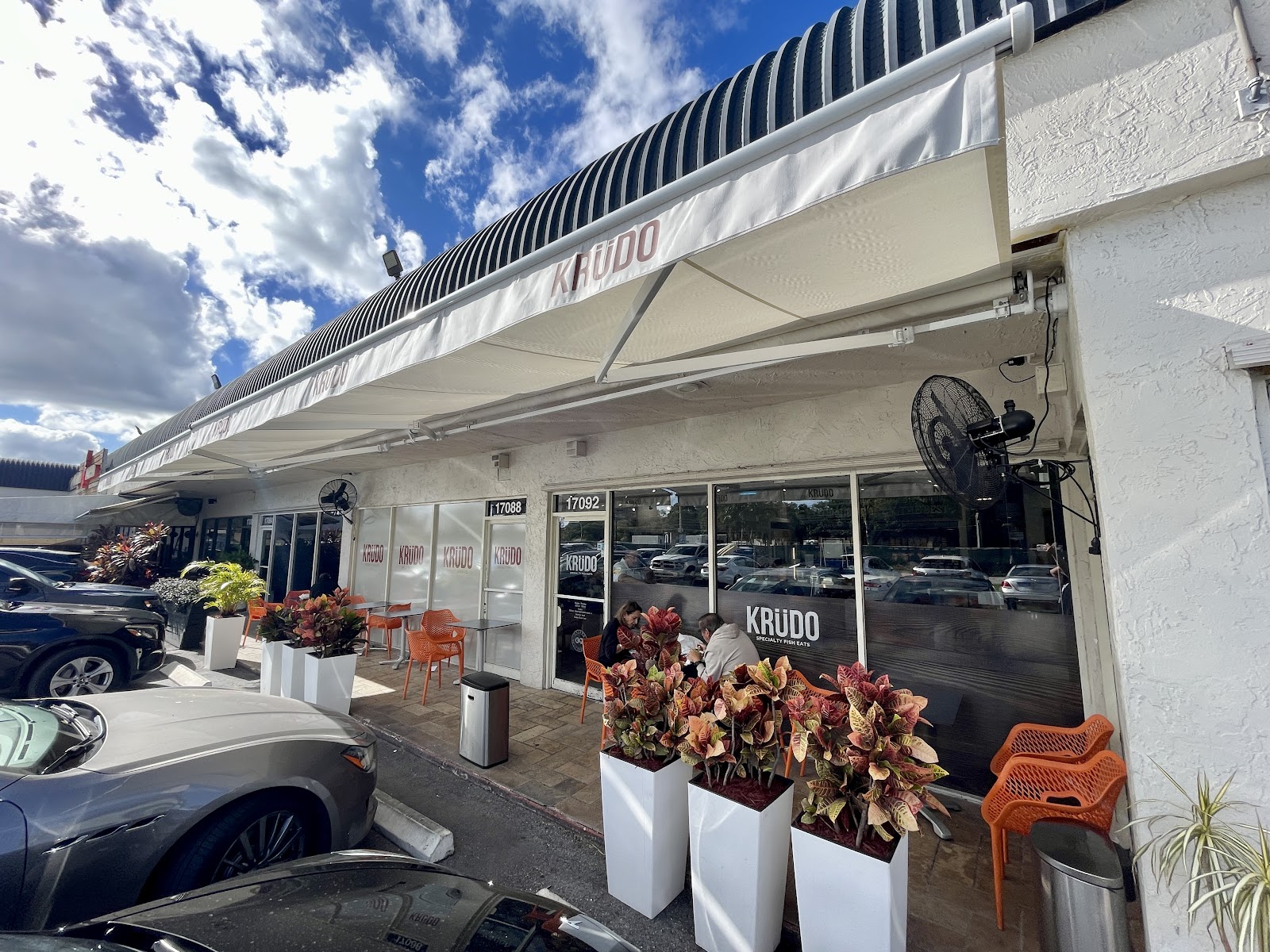 Krudo Fish Market
How to Do the Season Right
Go once to a landmark room, early in the season, and pay the money without complaining about it — the ritual is part of what you are buying. Then spend the rest of the season at the fish counters, ordering large claws by the pound in January when the price has settled, eating them at home with mustard sauce and cold beer and a roll of paper towels.
Skip the first weekend if you can, order large rather than colossal, and remember that a claw sold in August was frozen in spring. The season ends May 1, and it does not care about your calendar. Between now and then, there is no better argument for living in South Florida — with the possible exception of a cafecito and a croqueta on the way home.